

14 Sep 26 An extremely professional attitude in how Landlord Defence dealt with a ...
November 11, 2026
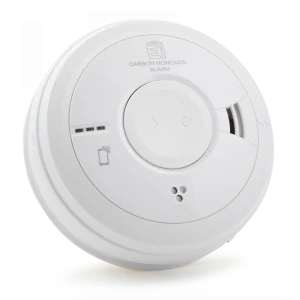
Since the Grenfell Tower fire, the government has been aggressively enforcing and updating fire safety regulations and the rules surrounding smoke alarms. In October 2022, carbon monoxide regulations were also expanded to tighten up safety requirements. Failure to comply with the latest rules can result in fines of up to £5,000 for single-family dwellings, or as much as £30,000 for HMOs.
Fines aside, as a landlord it's essential to protect your tenants’ lives and health by staying on top of all the safety regulations that apply to your property. But with legislation that’s regularly updated, and the rules differing depending on the type of rental property you own, it’s a complex area of law requiring a lot of specialist knowledge.
On this page, we’ll explain the basics of The Smoke and Carbon Monoxide Alarm (England) Regulations 2015. But don’t worry if you don’t know which rules apply to your property – Landlord Licensing & Defence is here to guide you and ensure you remain fully compliant.

Before we go on, it’s important to note that these regulations don’t apply to all rental properties.
The Smoke and Carbon Monoxide Alarm (England) Regulations 2015 only apply to rental properties in England that do not require property licences.
This means that if you have a rental property of any kind that has any licence, these regulations do not apply. This doesn’t mean you’re exempt from strict regulations – in fact, it’s quite the opposite. Licenced properties are subject to lots of different conditions and regulations.
On this page, we’ll focus on the properties that are governed by the Smoke and Carbon Monoxide Alarm (England) Regulations 2015. If you’re in any doubt, call Landlords Licensing & Defence for a free 10 minute diagnosis call on 0208 088 0788.The Smoke and Carbon Monoxide Alarm (England) Regulations 2015 do not apply to:
HMOs requiring Mandatory HMO Licences (five or more occupants)
Small HMOs requiring Additional HMO Licences
Single-lets and small HMOs requiring Selective Licences

The Smoke and Carbon Monoxide Alarm (England) Regulations were introduced in 2015 and outline the rules for installing and maintaining these alarms in rental properties.
However, many landlords don’t know that significant amendments and expansions were made to these regulations in 2022.
We’ve rounded up the current key requirements in rental properties that do not require a licence below. However, it’s important to note that these are the ABSOLUTE MINIMUM standards required. Failure to follow them can result in prosecution.
For the avoidance of any doubt, consult and follow the guidance in the latest version of British Fire Safety Standard BS5839-6 (or preferably ask a Certified Fire Risk Assessor to do it for you).
A smoke alarm is a device that detects smoke particles in the air and sounds an alarm to warn occupants of a potential fire. According to government statistics, residents in properties without functioning smoke alarms are 10 times more likely to die in a fire.
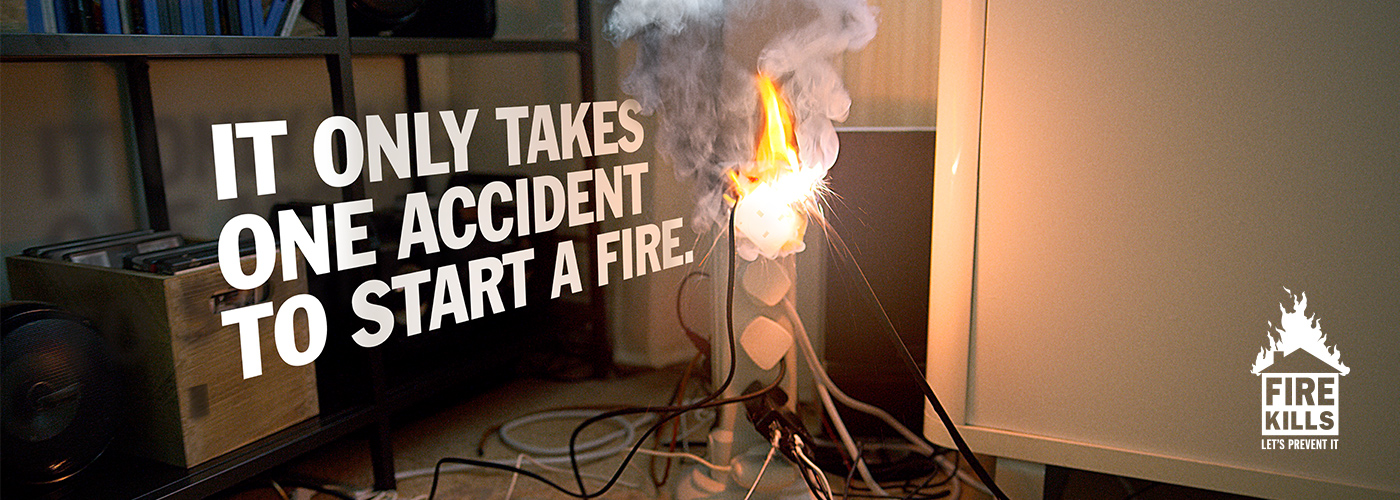

A carbon monoxide alarm is a device that detects dangerous levels of carbon monoxide (CO), a poisonous colourless, odourless gas produced by faulty appliances like boilers or wood stoves.
The minimum legal requirement was extended in 2022 to require CO alarms to be placed near gas boilers.
A carbon monoxide alarm must be installed in any room that contains a fixed combustion appliance, such as gas boilers or portable gas or fuel heaters. The only exception is gas cookers: carbon monoxide alarms are not explicitly required to be placed near gas cookers, but it is nonetheless good practice.
CO alarms should be positioned at head height, around one to three metres from the combustion appliance, and always according to the manufacturer’s instructions.

Keeping alarms in full working order is just as important as installing them. Faulty or non-functional smoke, heat and CO alarms do not save lives and can also result in hefty fines.

Alarms must be tested and working at the start of each new tenancy.
Tenants must be taught how to test all alarms on the property and advised to test them at least once a month.
Faulty alarms must be repaired or replaced as soon as the fault is identified. Failure to maintain a full working alarm can result in death or life-changing injuries to the tenants you are responsible for.
Not sure if your property meets the regulations? Contact Landlord Licensing & Defence today for a free 10 minute diagnosis call and let us help you stay compliant.
Local councils are generally responsible for enforcement. However, the Fire and Rescue Service (FRS) is the ultimate authority. The FRS has the authority to prosecute in its own right, and it will almost certainly do so in the event of a fire.
Councils typically learn of non-compliance by inspecting the property following a tenant report. The FRS is usually involved where there is a fire or when called in by the council.

If, as a landlord, you fail to comply with the regulations, the council can issue a remedial notice that requires you to install or repair alarms within 28 days. Failure to comply with this notice can result in a Civil Penalty fine of up to £5,000 for each breach of the regulations.
You have the right to appeal the penalty if you believe it was unfair. If this is the case, it’s critical to contact a specialist in landlord defence.
If a fire occurs and your fire prevention measures, including smoke and CO alarms, are found to be inadequate, you could find yourself in court facing a criminal charge of Negligence, Gross Negligence Manslaughter, or failing to comply with the Regulatory Reform (Fire Safety) Order 2005.
The rules regarding smoke and carbon monoxide alarms in HMOs and all other rental properties that require a licence depend on several different factors and regulations.
These include:
The Housing Health and Safety Rating System (HHSRS)
The HMO Management Regulations (if your property is an HMO)
The licence conditions of each individual property. This applies to Mandatory HMO Licences, Additional HMO Licences and Selective Licences. This can include single-dwelling properties as well as HMOs
In all cases, these properties must meet the requirements of the licence – usually British Standard BS5839-6.
These requirements are much more stringent than those in the Smoke and Carbon Monoxide Alarm (England) Regulations 2015 and the fines are usually more draconian.
Breaches of any of the licence conditions or relevant regulations that govern your licenced property can result in a penalty of up to £30,000 per breach.
Do not take a chance on fire safety. Seek expert advice from a certified fire safety assessor to ensure your rental property is compliant with all the relevant regulations and safety standards.A. The regulations don’t specify the type of smoke alarms, but it’s recommended that you choose alarms that comply with British Standard BS 5839-6. This standard requires alarms to be Grade D1 mains powered and interlinked. Remember, heat alarms, not smoke alarms, should be provided in kitchens. These can be interlinked by hard-wiring or by wireless.
All new or replacement alarms should be Grade D1 (unless they’re on a panel system, in which case they must be Grade A).
A. Like smoke alarms, the regulations don’t specify any type, but CO alarms should meet British Standard BS 50291. Long-life battery-powered units with sealed-for-life batteries are often recommended for ease of maintenance. Mains powered CO alarm units are available. Hard-wired Grade D1 Carbon Monoxide combined SMOKE or HEAT alarms are also available. CO alarms with replaceable batteries are not considered suitable in rental properties.
A. Yes. If there is any type of gas appliance in the property, a CO alarm is required. This includes gas boilers. One exception, it is not a legal requirement to have a carbon monoxide alarm near a gas cooker or hob, but this is best practice.
A, Yes. Most combi boilers whether they run on gas or oil or any other fuel is a fixed combustion appliance and needs a CO alarm even if your combi boiler is room-sealed. Flue faults can allow CO gas to enter the property, which can be fatal. Don’t take a chance with carbon monoxide.
A. Yes, oil boilers are also a fixed combustion appliance.
A. If it’s electric, no.
Some older gas water heaters, often known as ‘geysers’, still exist (although they are generally considered dangerous and should be replaced). New, safe gas water heaters are available. All of these must have a CO alarm.
A. Older unvented gas wall heaters are considered unsafe and should be replaced. Newer gas wall heaters are property vented with an external flue. All gas wall heaters require a CO alarm nearby.
A. Yes, this is a fixed combustion appliance and a CO alarm must be fitted close by.
A. You must ensure alarms are in working order at the start of each single-let tenancy. After that, tenants are responsible for testing if they are physically able. However, as the landlord or manager, it would be foolhardy not to check the alarms during routine inspections.
You should also provide instructions to tenants on how and when to test their CO and smoke/heat alarms. This must be monthly at the very least.
A. Tenants are responsible for replacing the back-up batteries in older Grade D2 (mains-powered) alarms, unless they are physically unable to do so. However, the landlord is ultimately responsible for ensuring they are in full working order.
In practice, what often happens is the battery fails in the middle of the night and wakes the tenant. The tenant then takes the unit off the ceiling so they can get back to sleep and doesn’t put it back. They are now living in mortal danger and the landlord is responsible. It’s far better to upgrade to Grade D1, which do not have replaceable back-up batteries.
If you do have older Grade D2 alarms, ensure there’s a schedule in place to change these batteries annually before they start to beep. The preferable option would be to replace all Grade D2 alarms with Grade D1 alarms, which don’t have changeable batteries.
A. Battery-only SMOKE and HEAT alarms (not mains-powered) are not acceptable in rental properties. Long-life battery CO alarms are however permitted.
A. If a smoke, heat or CO alarm is faulty, you are required to repair or replace it as soon as reasonably possible after being notified by the tenant or discovering the fault. Faulty alarms put lives at risk. You could be charged with Negligence or Gross Negligence Manslaughter if your tenant dies or is injured in a fire.
At Landlord Licensing & Defence, we’re dedicated to helping landlords stay compliant with all safety regulations.
Don’t risk fines or criminal prosecution - contact us today for expert guidance on smoke and CO alarms.

Placing the CO alarm too near to the floor. Carbon monoxide rises as it’s lighter than air - an alarm too close to the floor can result in non-compliance and penalties
Placing any alarm too high for the tenant to reach the test button – this is an enforceable offence
Not installing CO alarms near gas boilers. This will lead to an immediate fine
If you’re not ready to schedule a call right now, simply complete your details below and we’ll get back to you to see how we can help